Why you Should Warm Up to Heated Floors
Utilizing underfloor heating in your home can offer a more energy-efficient method of heating compared to other, more traditional options.
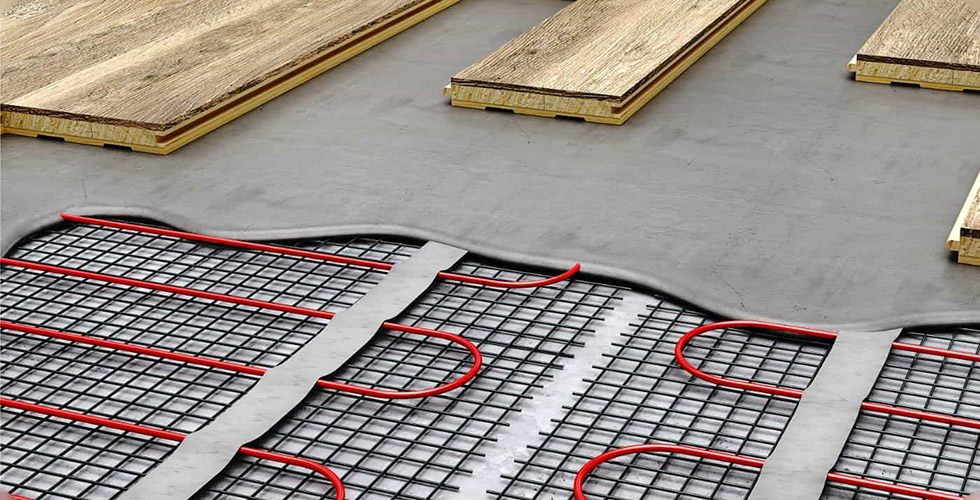
There are two types of floor heating systems to consider: electric floor heaters, which are great for single-room heating, and water-based (hydronic) systems, which are ideal for installation within larger spaces. Both gently warm the people and objects in the room directly from the ground up.
Energy-efficient
Traditional radiators need to be heated to a high temperature in order to heat up a room effectively, whereas underfloor heating can run at a much lower temperature while still providing the same levels of warmth and comfort.
In addition to this, as radiators and central heating only focus on heating the air within a space, rooms can become prone to cold spots. This means that while the air next to the radiator or heating vent feels warm, it may start to become cooler the further away you get into the middle of the room. As underfloor heating will cover the entire room, it eradicates cold spots and can also remove stuffiness in certain areas.
The combined efficiency from more widespread heating and lower operating temperatures means underfloor heating can reduce energy use in a typical home by up to 35% — a huge savings on your energy bill.
Effortless to Control
All underfloor heating systems should be controlled by a system-dedicated thermostat, and many are equipped to be compatible with a smart controller. Smart thermostats enhance the energy efficiency of the heating system and can provide programmable heat schedules or automatic heat functionality. This means your heating system will always automatically heat your home to the right temperature at the right time, but it can also be easily adjusted and altered according to personal preference.
Low Maintenance
Once installed, underfloor heating requires limited maintenance. By conducting pressure tests to eliminate the possibility of leaks, you can be assured that underfloor pipes will not need to be dug up again once they have been properly laid down.
Better Air Quality
Radiant heat is much better for the air quality in a room, and underfloor heating will keep the air within a space fresh and oxygen-rich while reducing the circulation of dust. In contrast, the high temperatures caused by radiators can actually increase discomfort and reduce oxygen levels.
This makes underfloor heating a much cleaner source of heat and beneficial to sufferers of certain health conditions. Central heating can serve to aggravate the conditions of those who have asthma and dust allergies due to the currents circulating and distributing a greater level of dust throughout the household.
Versatile
Underfloor heating can be installed in every room of your home and works with a range of floor types, such as wood, tile, stone and carpet. While it can be effectively used as the primary heating source for your home, it can also act as a secondary heat source in just one or two rooms to work alongside your existing heating system.
Water floor heating systems are compatible with ground and air-source heating pumps and can, therefore, offer a more sustainable solution than relying on a traditional heating system. The compatibility of underfloor heating with renewable energy sources means it is great for reducing both your carbon footprint and energy bills.
Easy to Install
Underfloor heating systems are suitable for installation both in new-build properties and as part of the renovation of an older home. Electric systems, in particular, can offer rapid installation times and could easily be fitted to cover an average-sized bathroom in under a day.
Due to their more complex installation requirements, water systems will take longer to install than their electric counterparts but offer even lower long-term running costs, which makes them a smart investment.
Drawbacks
Of course, as with any heating system, underfloor heating can come with some downsides. So, before purchasing a new system for your home, it is worth considering obstacles you may encounter.
As previously mentioned, water-based systems will take longer to fit than electric heaters and the time requirements will subsequently lead to higher installation costs. The installation price will vary based on your chosen system, the size of the area and fees that your installer charges, but you can typically expect to pay between $400-$600 per day in labour costs.
An underfloor heating system is perfect in contemporary homes that have good levels of insulation but can have difficulty in heating homes with high levels of heat loss. Before you purchase a new system, you should ensure its heat output is higher than the heat loss of your space — well-insulated rooms will require less heat to be produced by the system.
With an underfloor heating system, the heat will gradually radiate upwards from the ground. This can mean it has a longer warm-up time compared to traditional heating methods, such as central heating and radiators.
If planning on retrofitting underfloor heating in an older property, you may need to increase the floor height. This can be off-putting for some properties where the ceiling heights are fixed. It is more likely to be a potential issue with water-based systems. Electric systems should have little impact on floor levels.
Matthew Jenkins has worked as a self-employed tradesman in the domestic heating industry for more than 15 years. He is a gas-safe engineer specializing in heating and plumbing. Matthew also works closely with MyJobQuote to provide expert knowledge to homeowners and tradespeople, and has been featured in a range of established news outlets.
Clare Tattersall and www.realtorontowest.com disclaim any warranty as to the accuracy, completeness or currency of the contents of this article and disclaims all liability in respect to the results of any action taken or not taken in reliance upon information in this article. The opinions of the writer are their own and are in no way influenced by or representative of the opinions of Clare Tattersall or www.realtorontowest.com.