How to Make Home Movie Night So Much Better
In an age where streaming services deliver a seemingly endless array of movies and shows directly to our living rooms, the desire for an elevated viewing experience has never been stronger. While a standard television can suffice, true cinema enthusiasts and families alike are increasingly looking to replicate the magic of the big screen within the comfort of their own homes.
Creating a home cinema room isn’t just about investing in the right equipment; it’s about meticulously crafting an immersive environment where stories come to life. From optimizing visuals and sound to ensuring ultimate comfort and embracing the full cinematic atmosphere, this guide will walk you through the essential tips and considerations to transform an ordinary room into an extraordinary private cinema.
The Big Screen Experience
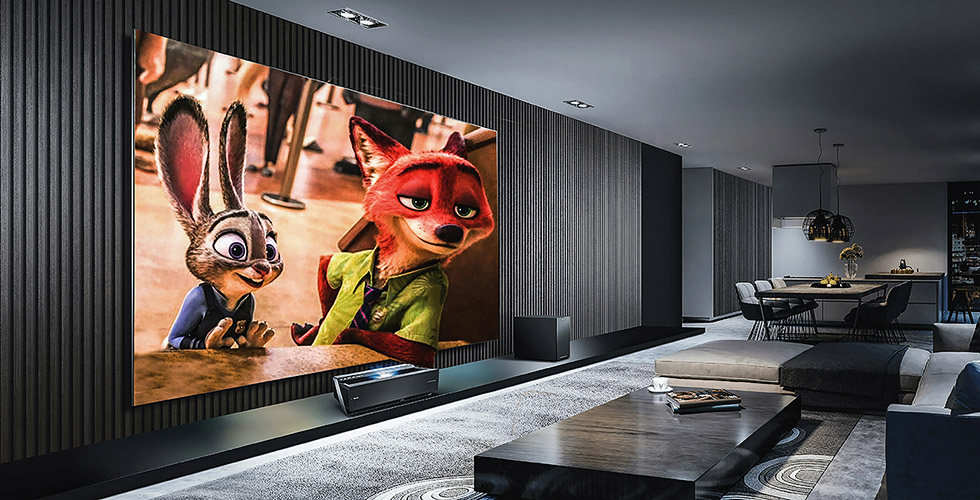
If wanting to improve the cinema experience on a budget, consider investing in a projector. A projector can make a huge difference to home movie nights and, surprisingly, they don’t cost all that much.
One of the benefits of a projector is that it doesn’t take up too much space and you can put it away when it’s not in use. To get the most from your projector, you’ll need to make the room as dark as possible, and you’ll need to have some clear, white wall space.
The Signature Cinema Sound
Everybody knows you can’t really rely on built-in television sound to get the proper cinema experience. At the very minimum, you’ll want to invest in a soundbar to improve the sound aspects of the movie.
If looking for the full cinema experience, you may need to fork out a little bit more money. A surround sound system with rear speakers, a subwoofer and Dolby Atmos support is the best option to achieve cinema-quality sounds for your movie night.
Optimizing the Room Environment
Beyond the core equipment, the room itself also plays a crucial role in creating an immersive cinema experience. Think about how you can control light and sound to enhance your viewing.
For true cinematic darkness, especially with a projector, consider investing in some blackout curtains or blinds. Standard blinds or thin curtains will still let in ambient light and could wash out the screen or create glare. If you have windows, ensure they are completely covered. For doors, consider adding a draft excluder at the bottom to block light from other rooms. Even small amounts of light can detract from the visual quality.
While a good sound system is vital, the acoustics in your room can also make or break the audio experience. Hard surfaces like bare walls, wooden floors and glass windows can cause sound to bounce around, creating echoes and potentially muddying the audio. Consider introducing some soft furnishings to absorb sound. This could include things like carpets, rugs, thick curtains or drapes, and fabric-covered furniture items.
A cluttered room can also impact the acoustics and visual immersion. Be sure to keep the space dedicated to the cinema experience by minimizing unnecessary furniture or decorations that could distract or reflect light or sound poorly.
The Cinema Seats
If you want proper cinema-style seats in your home cinema, you’ll be looking at forking out a few thousand dollars. Your existing sofa is likely just as comfortable. Beanbags are also a great budget seating option, as they can be easily moved around.
Consider the layout of your seating in relation to the screen. Ensure everyone has an unobstructed view. For larger rooms, tiered seating could be an option, and this will significantly improve the viewing experience for those sitting behind the front row.
Whether you opt for dedicated cinema seats or a comfortable sofa, the ability to recline can dramatically increase comfort during longer movies or extended viewing periods.
Little details can also make a big difference. Small side tables next to each seat or an integrated cup holder in dedicated cinema chairs are incredibly convenient for drinks and snacks. This will help to prevent spills and allows viewers to focus on the movie.
Lighting Beyond the Screen
Beyond simply dimming the room for the main show, strategic lighting can enhance the cinema atmosphere before and after the movie and even during breaks (if you have them). Consider adding some dimmable LED strips behind the screen, along the ceiling coving or underneath the seating. These can provide a soft glow that reduces eye strain during long viewing sessions and creates a sophisticated ambience. You can often find LED strips with colour-changing capabilities, allowing you to set the mood with the touch of a button.
For the ultimate convenience, connect your lighting to a smart home system. This allows you to control all of the lights from your phone or a single remote, allowing you to dim them as the movie starts and brighten them seamlessly when the movie ends.
Zoe Warren has worked as an interior design expert for more than 10 years. She also provides expert interior design tips and advice for PriceYourJob, and her tips have been published in a range of leading press publications.
Clare Tattersall and www.realtorontowest.com disclaim any warranty as to the accuracy, completeness or currency of the contents of this article and disclaims all liability in respect to the results of any action taken or not taken in reliance upon information in this article. The opinions of the writer are their own and are in no way influenced by or representative of the opinions of Clare Tattersall or www.realtorontowest.com.